← Back
Jules Verne Trophy 2025: How CLS Monitors Icebergs from Space to Secure This Legendary Round-The-World Race
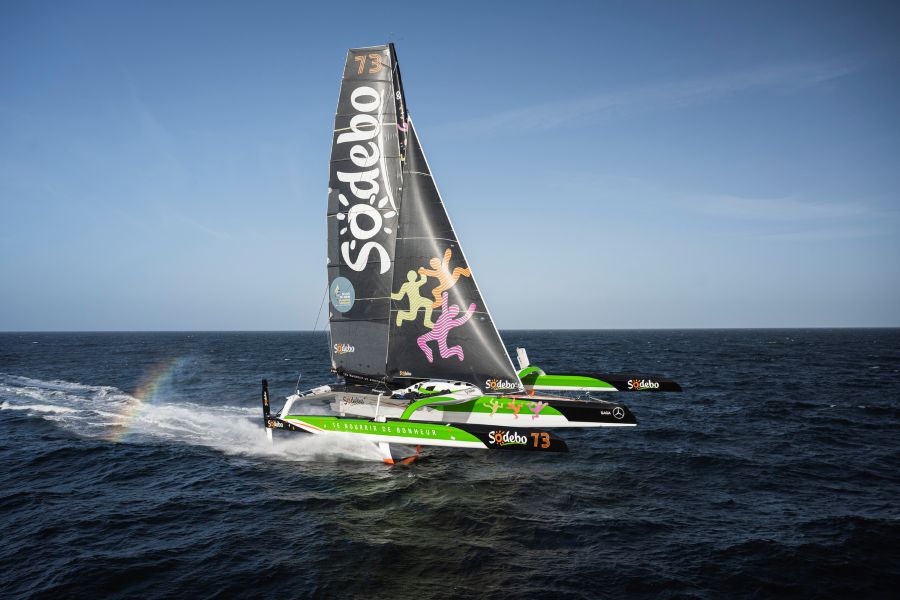
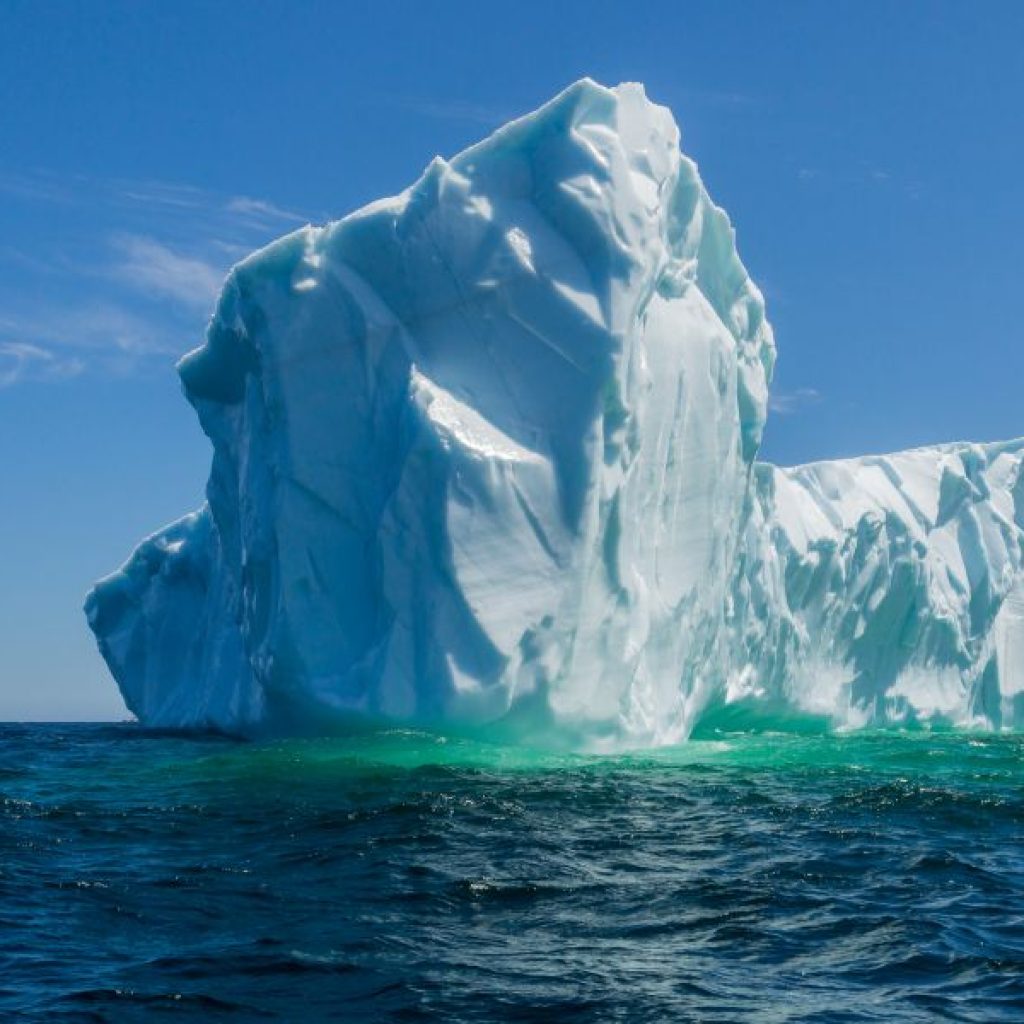
As the 2025 Jules Verne Trophy record attempt by the trimaran Sodebo Ultim 3 is underway, one of the major challenges faced by the crew led by Thomas Coville remains the presence of icebergs and growlers, which is particularly high this year in the southern regions of the Atlantic, Indian and Pacific Oceans. These areas are among the most hazardous, where drifting ice poses a direct threat to the safety of both the vessel and its crew.
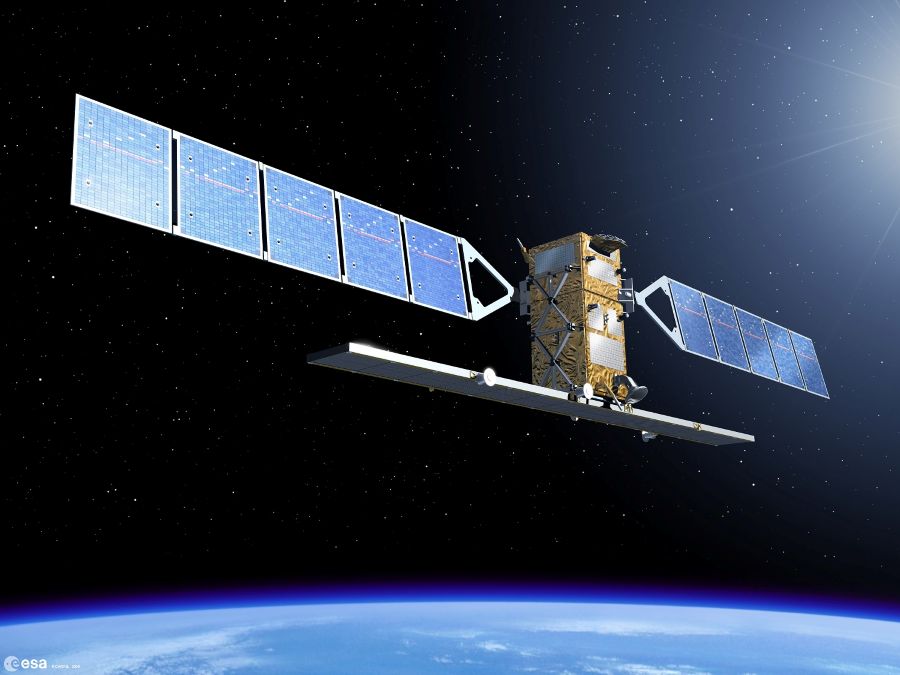
From space, CLS provides its expertise to detect these giants of ice and anticipate their drift, mobilizing multiple Earth observation satellites and advanced modeling capabilities. This mission is part of the long-standing support CLS has provided for many years to round-the-world sailing races and record attempts, during which CLS detects threatening icebergs from space to warn sailors and enhance safety.
Advanced satellite monitoring
Iceberg detection relies on multiple satellite data sources, particularly radar imagery and altimetry, processed by CLS expert teams. These technologies make it possible to:
- accurately identify icebergs, even when they are difficult to detect using conventional optical imagery;
- model their drift in order to anticipate trajectories and define high-risk areas for routing.
This monitoring is carried out continuously and in close coordination with Team Sodebo’s onshore routing cell. Knowledge of the planned routes allows SAR image acquisitions to be scheduled as close as possible to the vessel’s needs, maximizing crew safety. This information supports strategic decision-making both onboard and ashore throughout the record attempt.
A critical safety challenge
As part of this attempt, which began on December 15, 2025, Sodebo Ultim 3 sailed far south in its bid to break the crewed, nonstop and unassisted round-the-world sailing record—an itinerary that exposes the team to regions traditionally rich in ice. Early in the Indian Ocean crossing, the crew observed growlers close to their route, clearly illustrating the difficulty and danger of these areas.
For CLS, the mission is clear: anticipate hazards, provide visibility on icy zones, and contribute to sailor safety through the power of satellite data. This expertise perfectly illustrates CLS’s know-how in Earth observation applied to maritime safety and the extreme challenges of offshore racing.
CLS, a long-standing partner of offshore sailing for over 30 years
Since 1989, CLS has been a trusted partner of the world’s greatest offshore sailing races, supporting organizers and sailors in the most demanding environments on the planet. This long-term relationship with the offshore sailing community is notably illustrated by CLS’s historic partnership with the Vendée Globe, the solo, nonstop and unassisted race often referred to as the “Everest of the seas.”
Today, CLS provides organizers and teams with a comprehensive maritime tracking and safety solution, including:
- the Yellowbrick solution, combining a tracking beacon and a real-time monitoring viewer for races and the general public;
- advanced iceberg detection and monitoring capabilities based on satellite observations, supported by image acquisition planning driven by near-real-time vessel trajectories;
- radar surveillance to detect dangerous objects, even in extreme conditions.
Thanks to this unique combination of dynamic position tracking and space-based ice monitoring, proven across major ocean races, CLS directly contributes to sailor safety, reliable race tracking, and enhanced event visibility for the public, while demonstrating the operational power of satellite data applied to maritime activities.
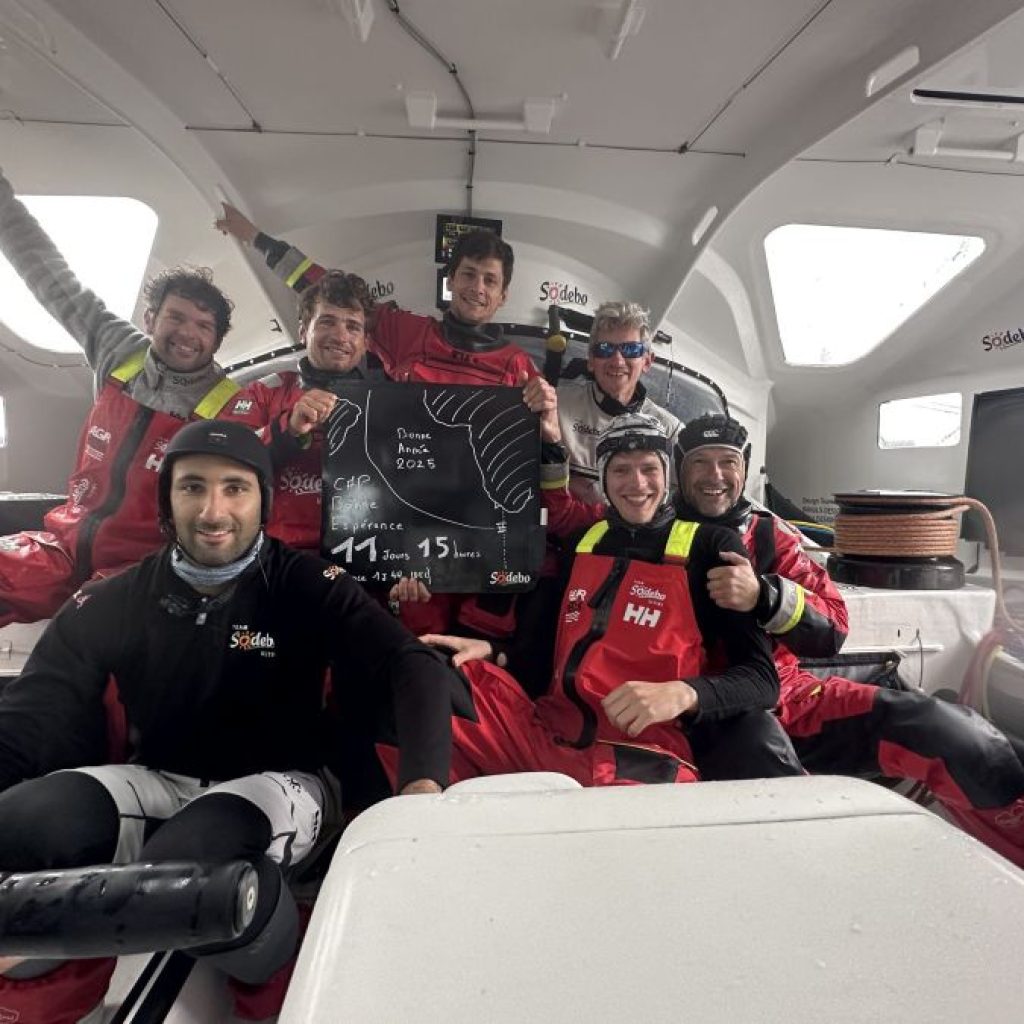
When rounding Cape Horn on Sunday, December 11, Team Sodebo set a new reference time, improving the Pacific Ocean record and establishing a significant lead over the Jules Verne Trophy record held by IDEC Sport since 2017.
The deadline for crossing the finish line to break the record is Sunday, January 25 before 8:31 p.m. (French time).
Interested in learning more about CLS’s commitment to offshore racing and our journey alongside the Vendée Globe?