
← Back
Strait of Hormuz: Behind the Traffic Recovery, International Operators Remain Cautious

Reopening the Strait of Hormuz: What Do Shipping Vessels Behaviors Reveal?
Between June 17 and June 21, VIGISAT team analyzed the evolution of maritime traffic in the Strait of Hormuz following the progressive reopening of this strategic waterway.
The objective was not simply to count the number of vessel transits, but to determine whether the observed recovery reflected a genuine return of international operators or whether navigation patterns continued to reveal a high degree of caution in response to regional security concerns.
For maritime intelligence analysts, traffic volume alone is rarely the most relevant indicator during a crisis.
Navigation behaviors, routing decisions, flag-state distribution, and changes in transit patterns often provide a more accurate assessment of the confidence level that shipping operators place in a maritime corridor.
Analysis conducted using AIS and SAT-AIS data revealed a significant contrast between the apparent recovery of traffic and the continued caution displayed by part of the international shipping community.
The Strait of Hormuz: A Barometer of Global Maritime Risk
Connecting the Arabian Gulf to the Indian Ocean, the Strait of Hormuz remains one of the world’s most strategic maritime chokepoints.
Any disruption affecting this corridor has immediate implications for global trade, energy transportation, insurance markets, and maritime operations.
As regional tensions evolved throughout June, VIGISAT analysts maintained continuous monitoring of vessel movements to assess the operational impact on maritime traffic and better understand how operators adapted their behavior in response to uncertainty.
The objective was not only to observe vessel movements but to identify indicators revealing shifts in maritime risk perception.
June 17–18: A Corridor Still Under Stress
10 Transits Recorded Only Six Recorded Transits Reflect Persistent Uncertainty
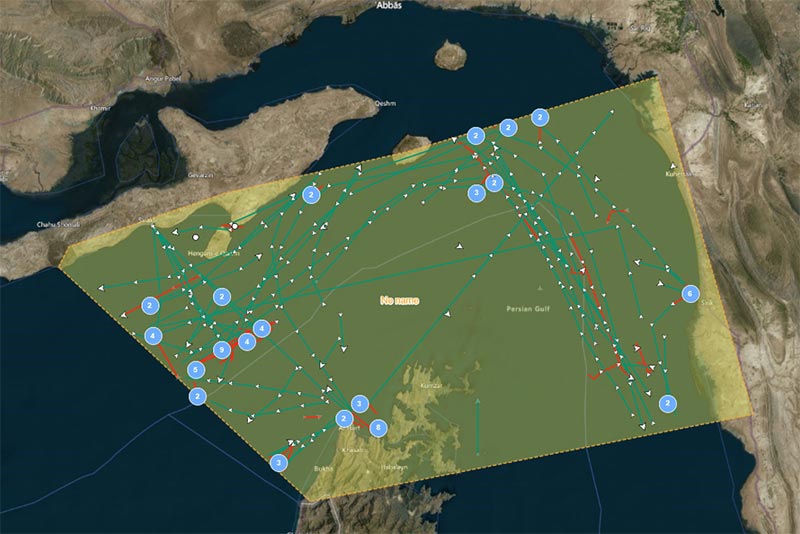
Figure 1 – Vessel traffic observed in the Strait of Hormuz between June 17 and June 18.
The first analysis period reveals extremely limited activity, with only six transits recorded.
Traffic levels remained significantly below normal conditions, suggesting that many operators preferred to postpone or reassess voyages while evaluating the evolving security situation.
Such behavior is characteristic of the immediate aftermath of a maritime crisis. Before redeploying vessels through a sensitive area, shipping companies typically seek confirmation that risks have stabilized.
June 18–19: Initial Signs of Recovery
25 Transits Recorded Traffic Returns, but Confidence Remains Limited
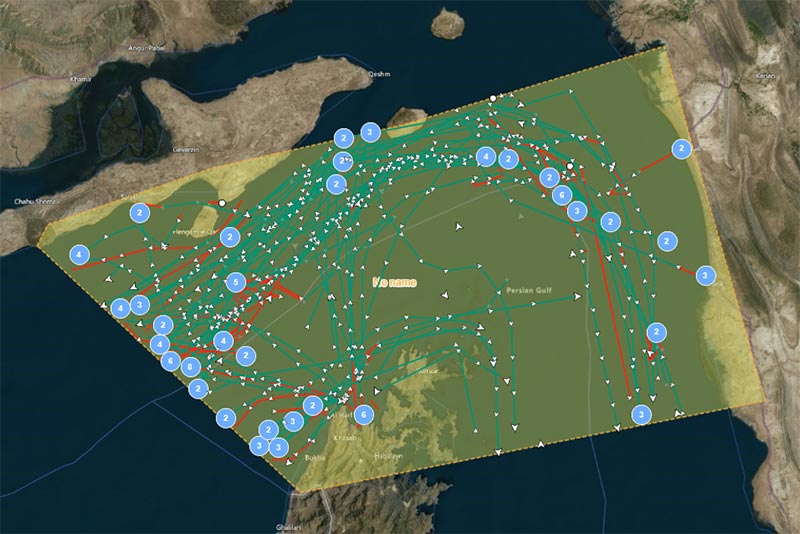
Figure 2 – Gradual recovery of vessel traffic between June 18 and June 19.
The second observation period shows a marked increase in activity.
The number of transits increased substantially, indicating that some operators considered the risk level acceptable enough to resume operations.
Nevertheless, traffic volumes remained below expected levels for such a strategic shipping route.
From an intelligence perspective, this phase is particularly valuable because it reveals which operators return first and which segments of maritime traffic remain absent.
June 19–20: A Significant Increase in Traffic
65 Transits Recorded: Growing Vessel Flows Suggest a Gradual Return to Operations
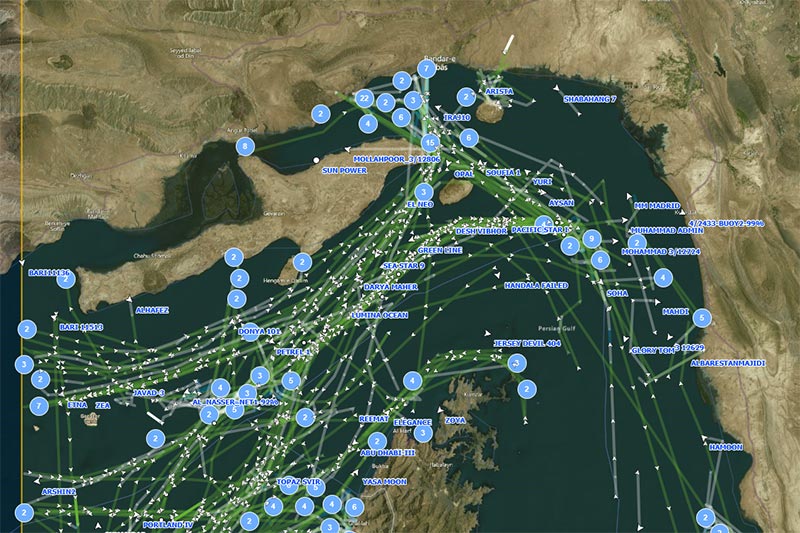
Figure 3 – Significant increase in traffic observed between June 19 and June 20.
The third observation period highlights a sharp acceleration in vessel movements.
At first glance, this increase could easily be interpreted as evidence of a rapid normalization of maritime activity.
AIS tracks show a significantly more active corridor, with increasing vessel density and growing transit flows between the Gulf and the Indian Ocean.
However, a deeper analysis reveals a more nuanced reality.
June 20–21: When Traffic Volume Alone Becomes Misleading
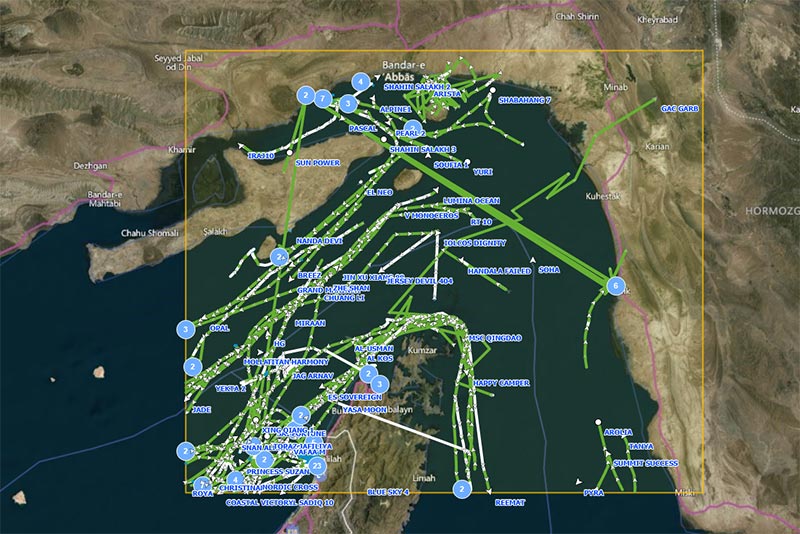
Figure 4 – Vessel traffic observed across all nationalities.
A First Look Suggests Normalization
The first map covering the period from June 20, 16:00 UTC to June 21, 15:10 UTC shows a seemingly active Strait of Hormuz.
Numerous AIS tracks create the impression of a corridor returning to normal operational conditions.
A traffic-volume-based assessment would likely conclude that confidence had largely returned among maritime operators.
Filtering Iranian Traffic Reveals a Different Reality
Figure 5 – Traffic analysis excluding Iranian-flagged vessels.
The picture changes significantly when Iranian-flagged vessels are excluded from the analysis.
The number of international merchant vessels actually transiting the strait becomes much smaller, and only 2 are Oil tankers
A substantial share of the observed activity is therefore driven by Iranian shipping and vessels operating within its immediate maritime ecosystem.
This distinction provides one of the most important findings of the analysis.
While traffic volumes were recovering, many international operators continued to demonstrate a cautious approach toward the area.
In other words, the maritime corridor had reopened, but confidence had not returned at the same pace as traffic.
June 21–22: Traffic Continues to Recover, but International Presence Remains Limited
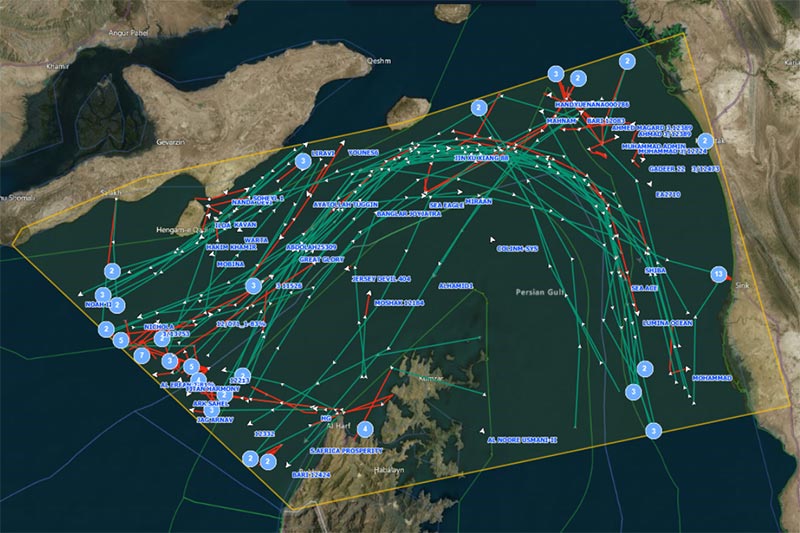
Figure 6 – Vessel traffic observed between June 21 and June 22, including Iranian-flagged vessels.
A Stable Flow of Vessel Movements Through the Strait
Analysis conducted between June 21 at 17:00 UTC and June 22 at 17:00 UTC confirms the continuation of vessel movements through the Strait of Hormuz. AIS data shows sustained activity across the corridor, suggesting that navigation conditions remain operational despite ongoing regional tensions.
Removing Iranian Vessels Reveals the Real Level of International Activity
When Iranian-flagged vessels are excluded from the analysis, the traffic picture changes considerably. During the observation period, only 10 vessel entries and 15 exits were recorded.
Among these vessels, only one French-flagged ship was identified.
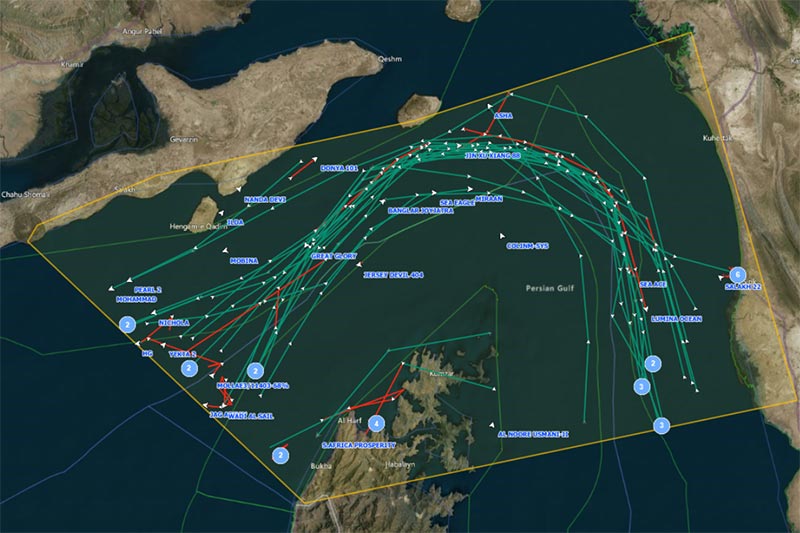
Figure 7 – Vessel traffic excluding Iranian-flagged vessels.
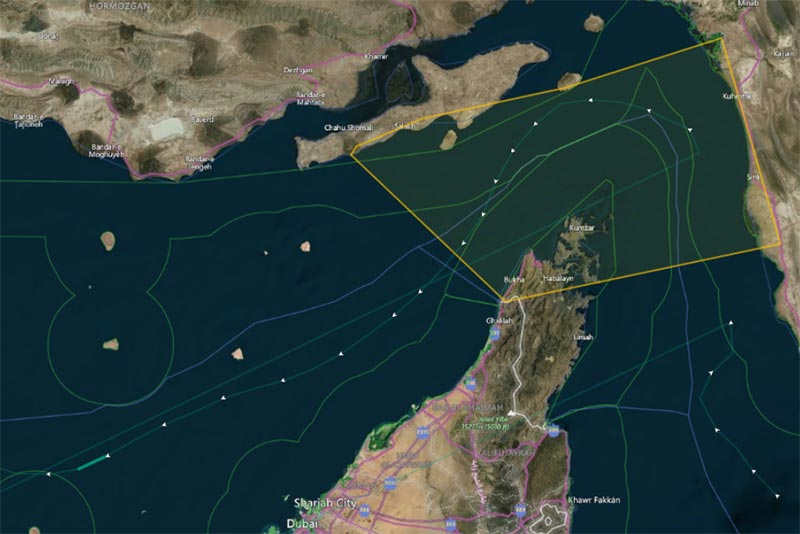
Figure 8 – French Vessel
This finding confirms a trend already observed during previous analysis periods. While maritime activity has resumed, a significant share of traffic remains linked to regional operators. International shipping companies continue to adopt a cautious approach, carefully evaluating the security environment before fully restoring normal transit patterns.
Behavioral Indicators Continue to Reflect Risk Perception
From a maritime intelligence perspective, the key indicator is not simply the number of vessels transiting the strait but the composition of that traffic.
The limited presence of international operators, particularly among strategic segments such as energy transportation, suggests that risk perception remains elevated despite the absence of a complete disruption of navigation.
The gradual return of international traffic will therefore remain one of the most relevant indicators to monitor in the coming days and weeks.
Why Behavioral Analysis Matters
This case study illustrates the difference between maritime surveillance and maritime intelligence.
Surveillance answers the question:,What is happening?
Maritime intelligence answers the more operationally relevant question: Why is it happening?
In the case of Hormuz, the critical questions are not limited to:
- How many vessels are transiting?
- How dense is the traffic?
They also include:
- Which flags are present?
- Which operators are returning?
- Which shipping segments remain absent?
- How are navigation patterns evolving?
- What weak signals indicate a persistent perception of risk?
Answering these questions is essential to building effective Maritime Domain Awareness.
MAS: Transforming Multi-Source Data into Operational Awareness
From Maritime Surveillance to Actionable Intelligence
Producing this level of analysis requires more than AIS tracking.
CLS’ Maritime Awareness System (MAS) integrates and correlates a broad range of maritime intelligence sources, including AIS, SAT-AIS, SAR imagery, optical imagery, RF detections, contextual data, and historical vessel behavior records.
Key Capabilities of the Maritime Awareness System
Through AI-driven analytics, MAS supports:
- Vessel behavior analysis
- Anomaly detection
- Dark vessel investigations
- AIS shutdown and spoofing detection
- Risk scoring
- Maritime threat monitoring
- Real-time operational alerting
The result is a coherent maritime picture designed to support operational decision-making.
VIGISAT: From Observation to Decision
A 24/7 Maritime Intelligence Capability
Technology alone is not enough.
VIGISAT GEOINT Services complement MAS capabilities through a 24/7 team of maritime intelligence analysts specialized in data fusion, imagery interpretation, vessel investigations, and behavioral analysis.
The VIGISAT Intelligence Cycle
The VIGISAT intelligence cycle combines:
- Persistent maritime observation
- Multi-source data fusion
- AI-enhanced analytics
- Behavioral analysis and anomaly detection
- Intelligence reports
- Operational decision support
This approach enables authorities and maritime operators to move from reactive monitoring to proactive detection and anticipation of maritime events.
Maritime Intelligence During Geopolitical Crises: Looking Beyond Traffic Volumes
Why Continuous Maritime Monitoring Remains Essential
The observations collected between June 17 and June 22 confirm a gradual recovery of maritime activity in the Strait of Hormuz. However, successive analyses show that a significant portion of the observed traffic remains driven by regional operators, while many international shipping companies continue to adopt a cautious posture toward the area.
Ongoing uncertainty regarding freedom of navigation and regional security dynamics demonstrates that the situation remains highly dynamic.
In such an environment, the ability to detect behavioral shifts rapidly and transform maritime data into actionable intelligence remains essential for governments, maritime authorities, energy operators, and critical infrastructure stakeholders.